
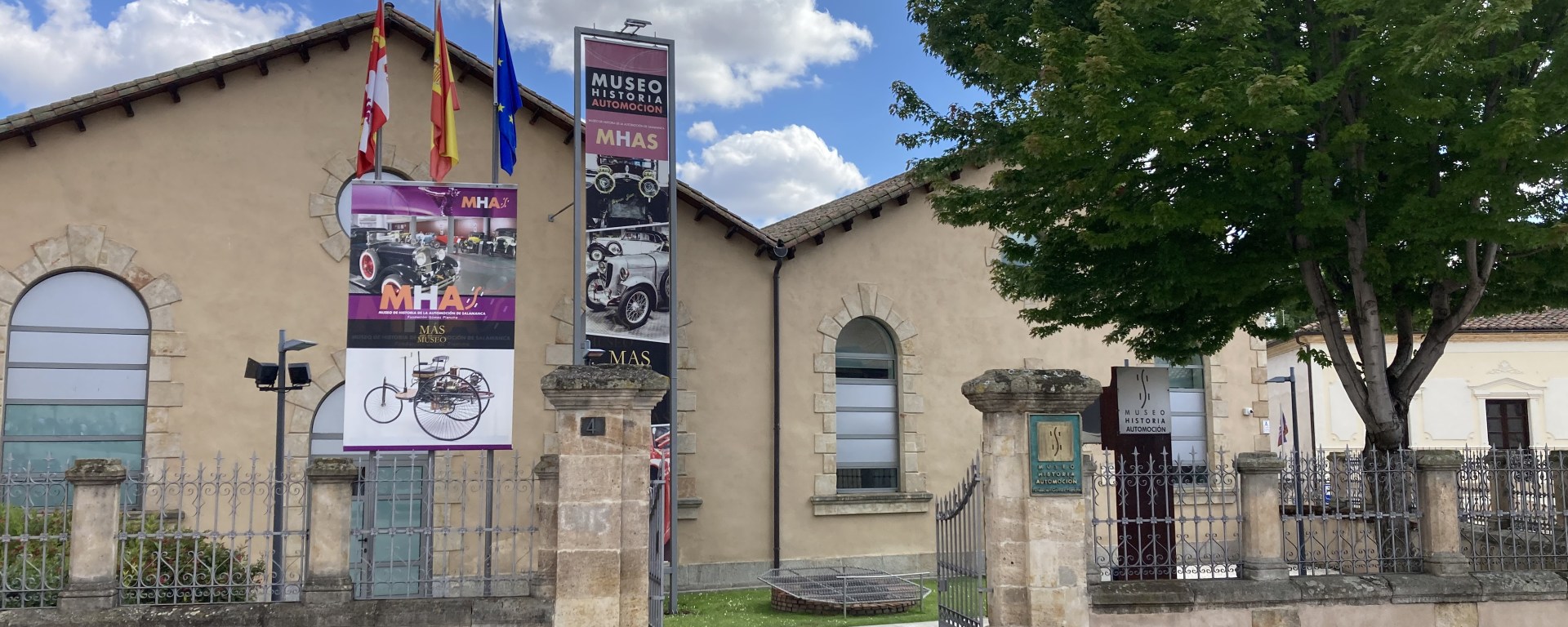
A must-see attraction, regardless of one’s interest in automobiles
Knowledgeable visitors to Salamanca, Spain have certain places in mind they have to see, like the Universidad de Salamanca, la Plaza Mayor, and the Roman bridge. History is all around you when you visit. Most people, however, don’t readily associate this gorgeous city with automobiles. Nonetheless, the Museo de Historia de la Automoción de Salamanca (MHAS) was one of the most pleasant surprises we had during a recent visit.
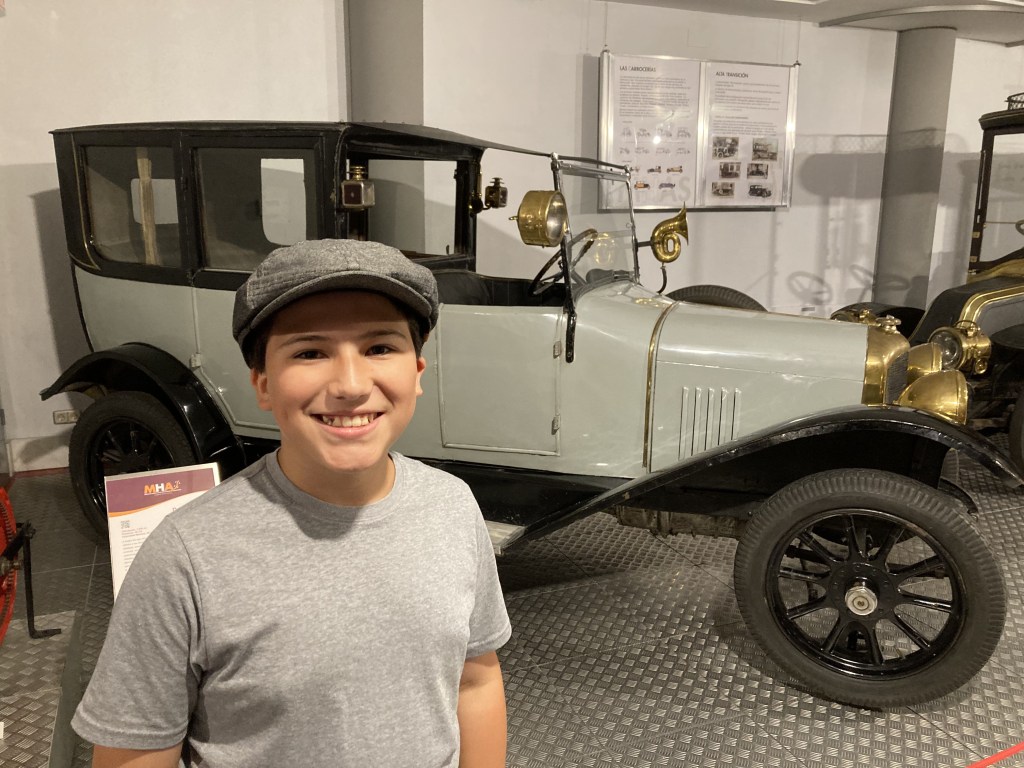
Unlike most of the other attractions in Salamanca, which are often hundreds of years old, the MHAS was only inaugurated by the King and Queen of Spain in 2002. I should say here, at the outset, that I am definitely not a gearhead; I probably couldn’t change the oil in my own car if you offered me a lot of money and showed me a YouTube tutorial. I do have a keen interest in Spain and history, and this museum gave me a lot to think about. My son, Frasier, was with me on this visit, and he is a big fan of classic cars, so it was fun to give him the camera and let him take all the pictures during our visit. Below are a few pictures of some of his favorite cars in the MHAS’s collection. (Click on the photos to enlarge them.)
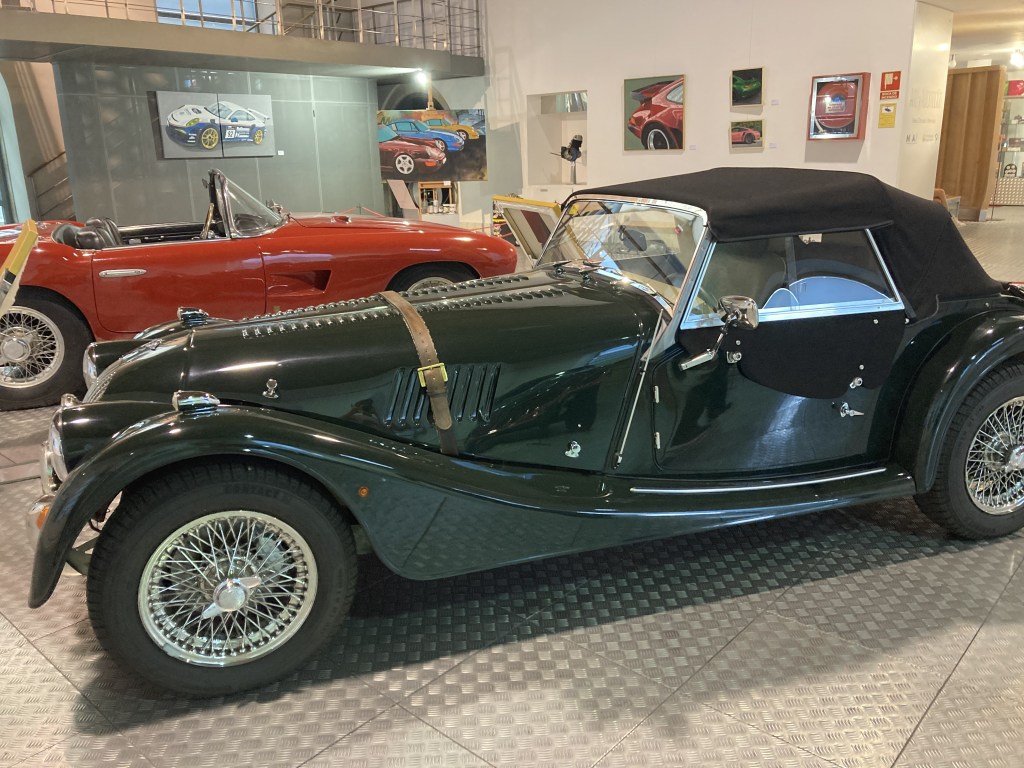


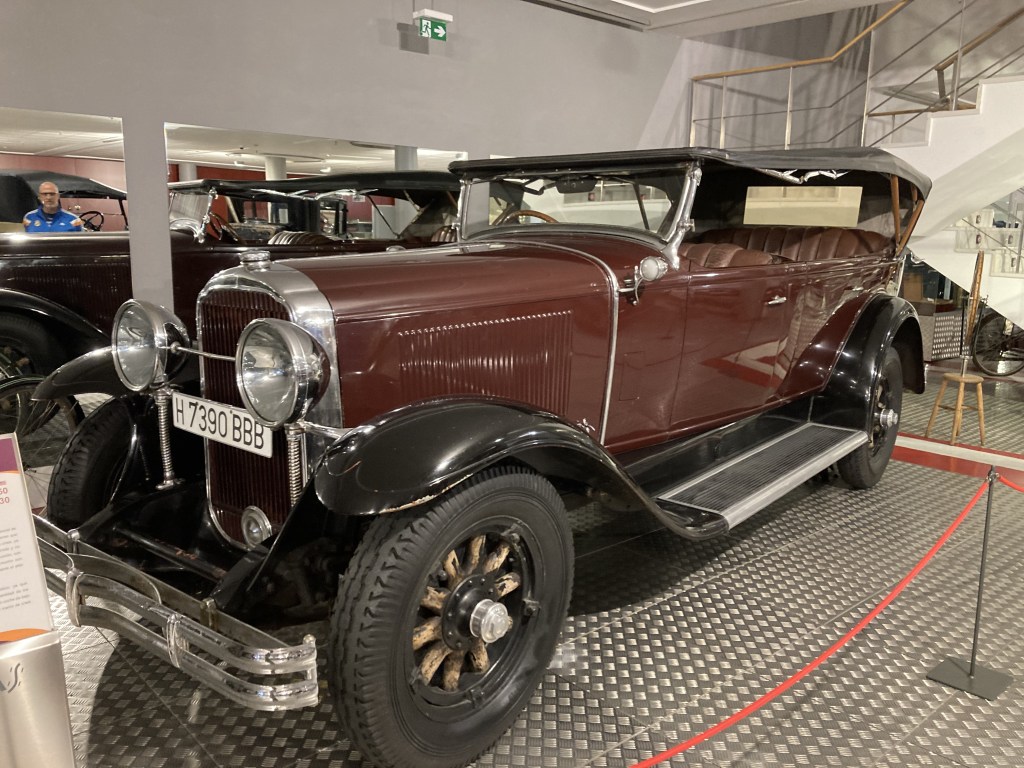

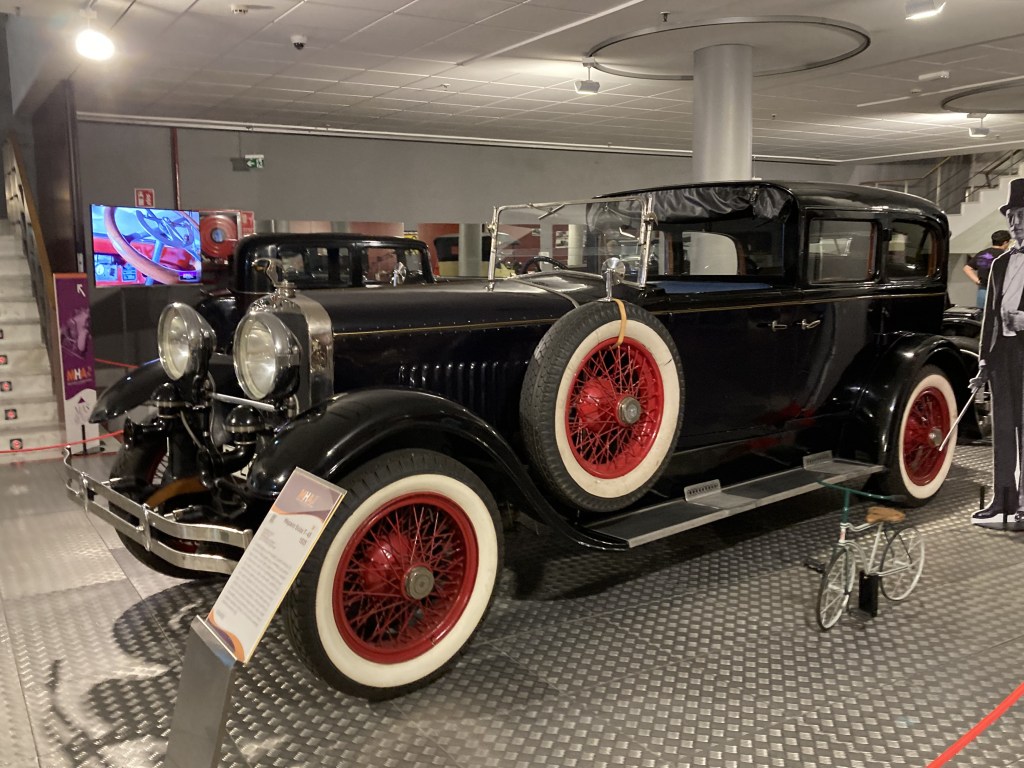
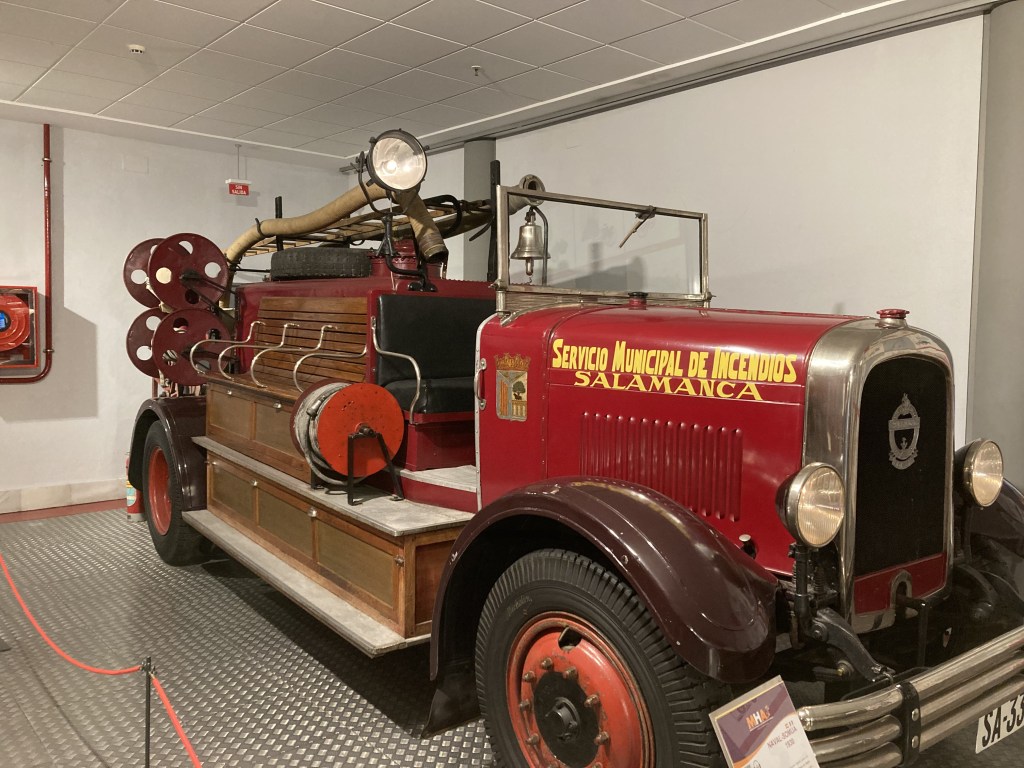
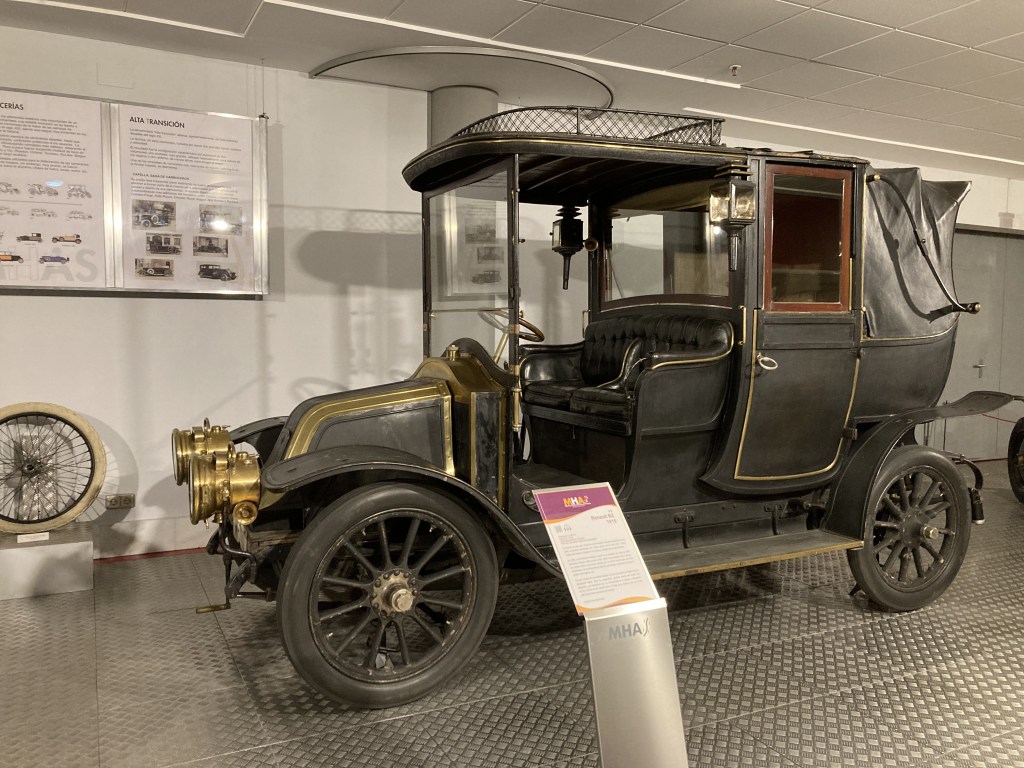


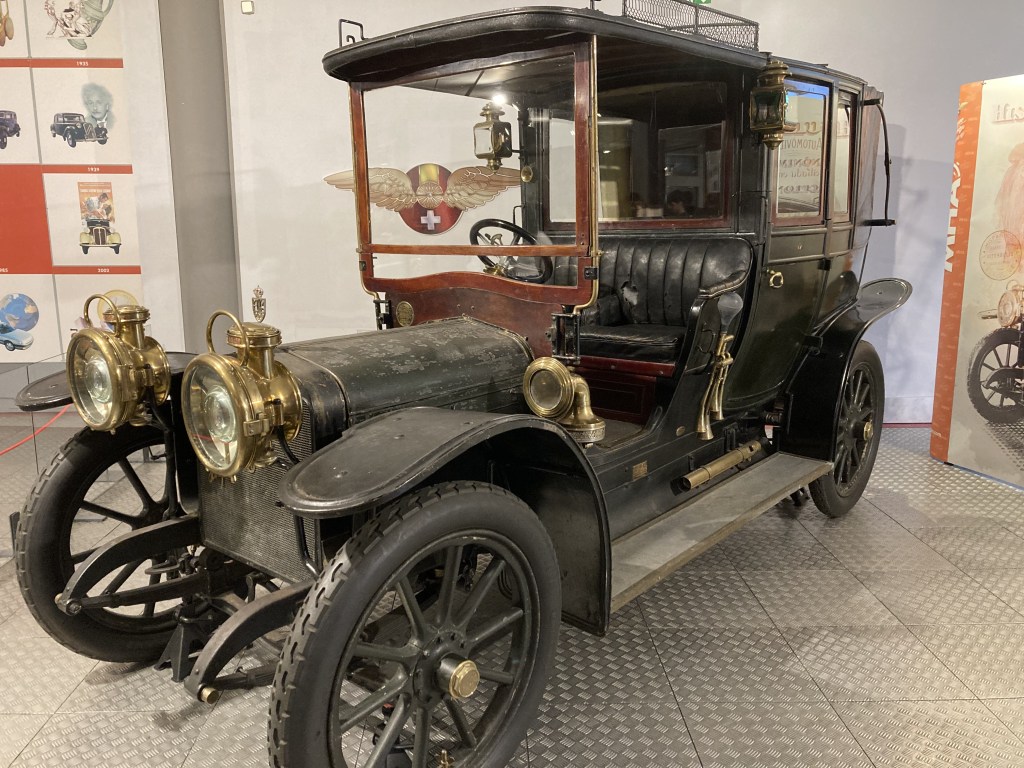
As you can see, he tends to prefer the older cars, but the MHAS has a wide array of vehicles from the earliest days of automobiles to today, and all of them look beautiful, with very little, if any, wear and tear. I especially like the ones that had a local connection, like the old fire truck.
If I’m honest, however, the two most interesting cars on display were those that have historical significance because of who they belonged to. The 1970 Cadillac Fleetwood shown here actually belonged to the infamous dictator, General Francisco Franco.
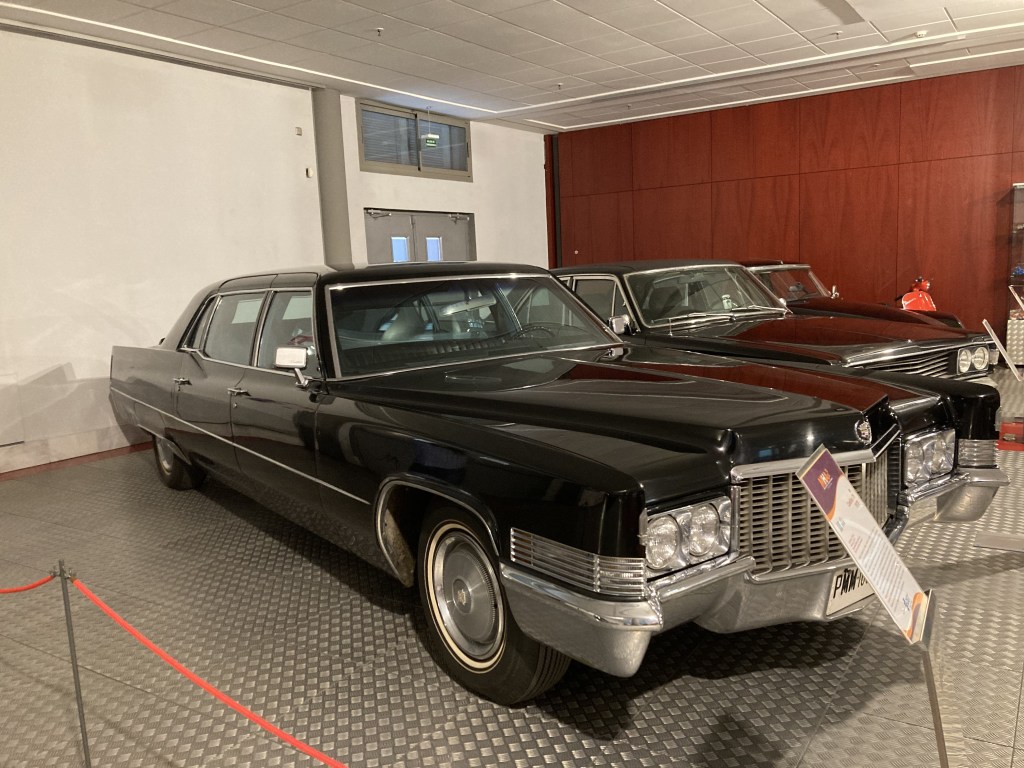
I have to admit that when I saw this Cadillac, I didn’t realize that it belonged to Franco. I didn’t read too closely the description at the time, and the MHAS didn’t make too big a deal about its owner, which is understandable. Interestingly, I found this previous photo of the same car, taken by another photographer.
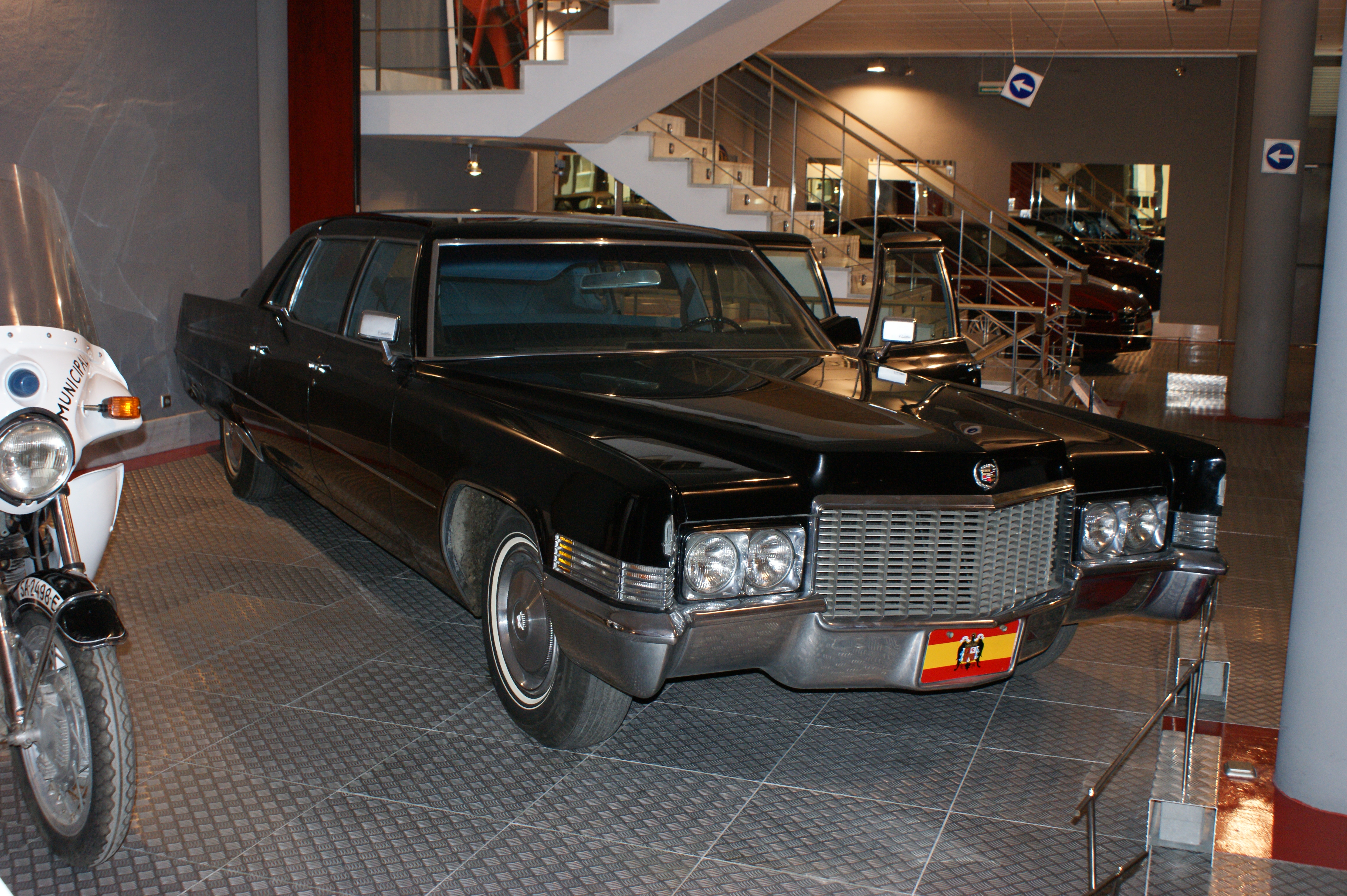
Notice anything different about the two pictures? Apart from where the car is located within the museum, check out the license plate. In the earlier photo, the plate has the colors of the Spanish flag, along with symbols of Francoist Spain, which are now outlawed, as I understand it, under the Democratic Memory Law. Violators of this law can face stiff penalties. In the more recent photo that Frasier took, the license plate is blocked somewhat by the description of the car, but you can see that the Francoist symbols have now been replaced by a generic plate. All of this is fascinating to me. Some might question the necessity of the removal of the original plate. After all, the car isn’t a monument to Franco, nor does it condone any of his government’s atrocities. It’s not located on the street, where any passerby can see it. It could be further argued that we shouldn’t try to erase the past or pretend like evil didn’t exist; a museum’s curators can contextualize uncomfortable reminders of the past in a way that puts them in a perspective that reflects modern sensibilities. The counterargument, of course, is that Francoist symbols are somewhat analogous to the Confederate flag or Nazi swastika, all of which are perceived as hateful symbols by those who were victimized and dehumanized by oppression. And maybe that’s the only argument that ultimately matters.
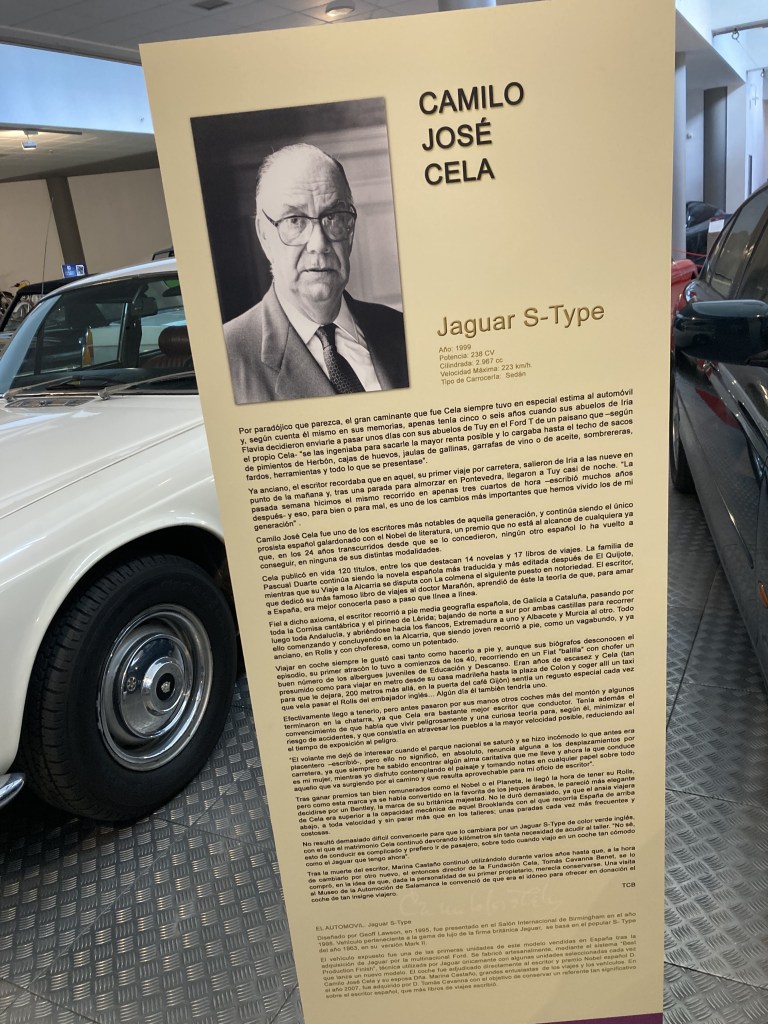
The other car in the MHAS that had a famous owner was this Jaguar S-Type, which belonged to Spain’s winner of the Nobel Prize in Literature in 1989, writer Camilo José Cela, someone whose works I thoroughly enjoyed reading in my graduate Spanish classes.

Unlike the aforementioned Cadillac, the owner of which is only known to the visitor by reading the small print in the description, the MHAS very clearly indicated to whom this Jaguar belonged.
In summary, the Museo de Historia de la Automoción de Salamanca is a wonderful museum that is located a quick walk from Salamanca’s Roman bridge and the other main sites in the historical center of town, and it can be seen in a relatively short amount of time. The museum is clean, well lighted, and it has a layout that makes it easy to see all the cars up close. Visitors of all ages would enjoy exploring the museum. It’s not nearly as crowded as other museums in Spain, which allows you to go at your own pace. We found the museum’s employees to be helpful and friendly. Admission is only 5 euros, and there are discounts for seniors, students, and groups. There is a nice little shop for anyone who wants a souvenir. The museum is closed on Mondays, but it’s open the rest of the week from 10:00 AM to 2:00 PM, and from 5:00 to 8:00 PM. The hours and admission may change during certain seasons, so it’s best to visit the museum’s webpage prior to visiting.
Can’t make it to Salamanca any time soon? Here’s a nice video that shows a walkthrough of the museum.
Have you been to the MHAS? Let us know what you thought about it in the comments below. And if you enjoyed this post, please share it in your favorite social media. ¡Gracias!


 Hispanophilia